
The NCAA is considering a significant change to its eligibility rules.
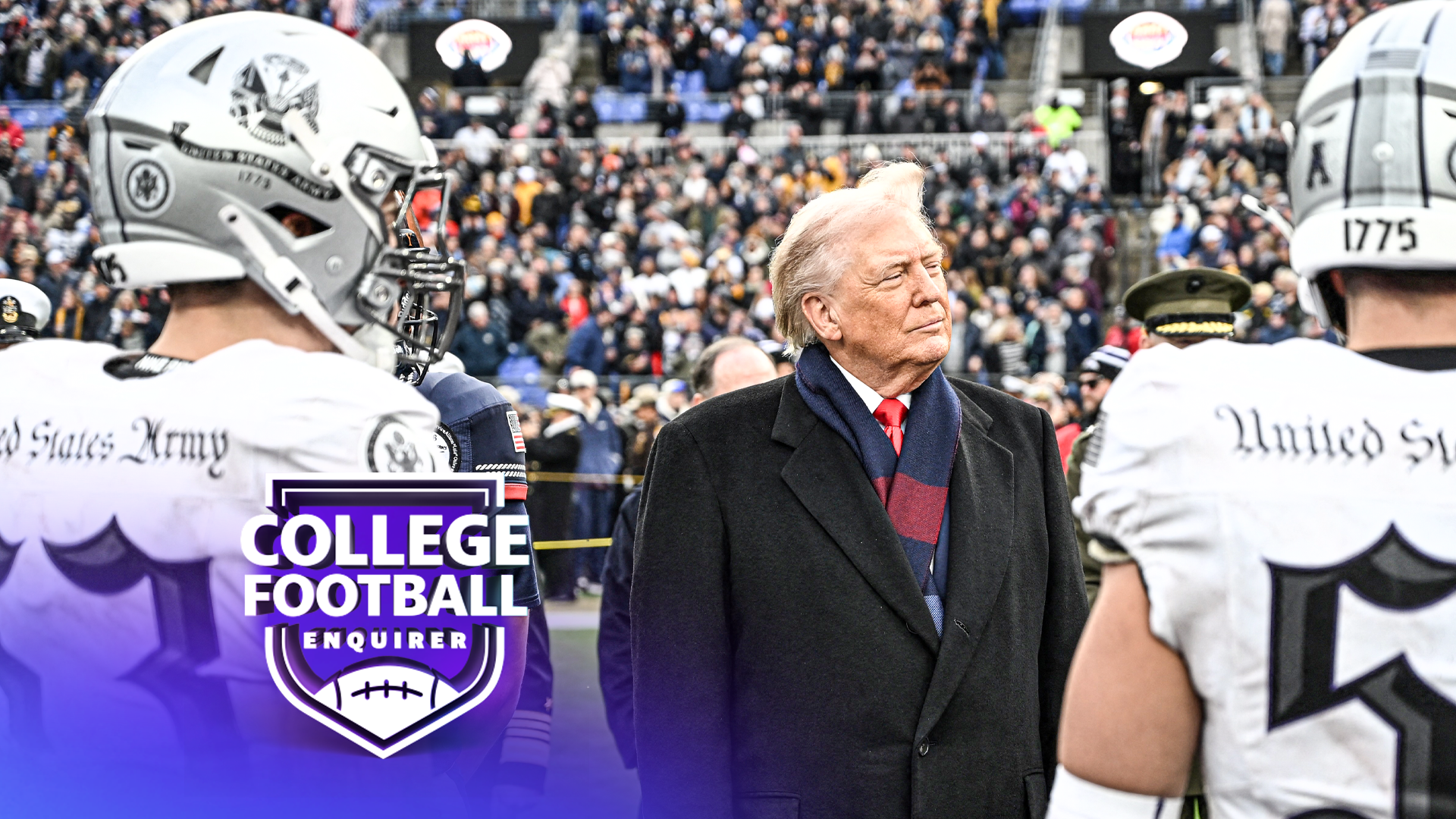
An NCAA committee next week is expected to explore a new age-based standard for athlete eligibility as part of a proposal that’s been in the works for weeks, but only recently has been socialized with high-level conference and school administrators.
Those with knowledge of the proposal spoke to Yahoo Sports under condition of anonymity.
According to the concept, NCAA athletes would have five full years of eligibility from the time of their 19th birthday or their high school graduation, whichever is earliest. No waiver requests, redshirts or exceptions will be permitted, except for a small group of outliers (those on maternity leave, military service or religious missions).
Members of the NCAA Division I Cabinet are set to review the proposal at their meeting next week. While a timeline for approval remains unclear — it is likely weeks or months away — the legislation is considered an urgent matter with potential for implementation as soon as this coming academic year (fall 2026).
Any implementation is expected to be phased in as is the case with most new NCAA policy. For instance, leaders will take strides to avoid adversely impacting any current athlete’s long-term eligibility under existing rules. What’s unclear is if those players completing or having completed their final, fourth season of eligibility will regain a fifth season if they fall within the new policy’s five-year window.
The policy seeks to bring some semblance of stability to a growing landscape of inconsistent court rulings regarding eligibility. Though it predatesPresident Donald Trump’s executive order, the proposal aligns with a concept embedded in Trump’s Friday announcement, which instructed the NCAA to pass legislation over a variety of issues, including a five-year eligibility standard for athletes.

For months now, conference executives and school administrators have urged NCAA officials to find a solution for what’s evolved into one of college athletics’ most festering issues.
The NCAA is fighting dozens of lawsuits from athletes seeking extended eligibility, some of which their own member schools support. Differing rulings from federal and local judges have left in their wake a divided and frustrated membership. While the NCAA has won more than half of eligibility lawsuits in which a judge has issued a preliminary ruling, the new age-based standard is expected to provide a step toward avoiding future costly and burdensome legal challenges.
The proposed change is a dramatic move away from long-standing policy.
Advertisement
Under current NCAA rules, athletes are granted four playing seasons over a five-year calendar, with the option to regain a season of eligibility through a redshirt or waiver request. While the new policy would grant athletes a fifth season of eligibility, the proposal sets a starting date of the five-year clock: age 19 or high school graduation.
Most notably, as currently written, the proposal eliminates the ability for athletes to regain seasons of eligibility through redshirts (even for medical reasons) and waivers, which have complicated the eligibility system and resulted in many of the organization’s legal entanglements.
Those having had their waiver requests denied have lawyered up in an effort to regain years of eligibility — some of them asking for a ninth season in college. The wave of lawsuits has left eligibility in the hands of various judges whose inconsistent rulings ushered into the industry a new kind of inequality.
For example, while a Mississippi judgeextended the eligibility of Ole Miss quarterback Trinidad Chamblissin February, a Tennessee judge less than a month laterdenied a request from Vols quarterback Joey Aguilar.
“The phone calls I get from coaches and ADs are pretty consistent: ‘I don’t like it when what judge ends up in front of and what state they're in determines whether somebody gets to play another year. That’s not fair,’” NCAA president Charlie Baker said in January from the NCAA convention. “I have a hard time arguing with that.”
But in an era when college athletes are legally compensated by schools, cash has incentivized players to seek longer college careers, many of them even delaying their NFL careers.
For instance, most of the seasoned power conference quarterback transfers this past cycle sought more than $4 million in annual compensation from their new teams. Some are believed to be making closer to $6 million. Because of the NFL’s rookie salary structure, a player would need to be drafted in the top half of the first round to earn that kind of annual money in their first year.
While athletes’ pursuit of compensation is understandable, the granting of extended eligibility to one player takes a roster spot from a younger transfer, high school recruit or junior college prospect. In fact, more than ever, roster spots are finite as theHouse settlement set strict roster limits.
Last academic year, the NCAA received 1,450 waiver requests for extended eligibility. The association has granted two-thirds of those. Of those not granted (around 500), more than 70 have resulted in lawsuits.
Despite the NCAA’s success in many of those cases — the association won two more cases last Friday — several of the suits are expected to go to trial. That’s an endeavor that stands to cost millions of dollars in legal fees. In fact, the association has spent at least $16 million on eligibility cases alone over the last year.
Post a Comment